Shore Trips in Italy, Private Tours in Italy, Naples Port Shore Excursions, Naples Airport Transfer, Amalfi Drive, Pompeii Excursions

The Catacombs, Rome - Things to see
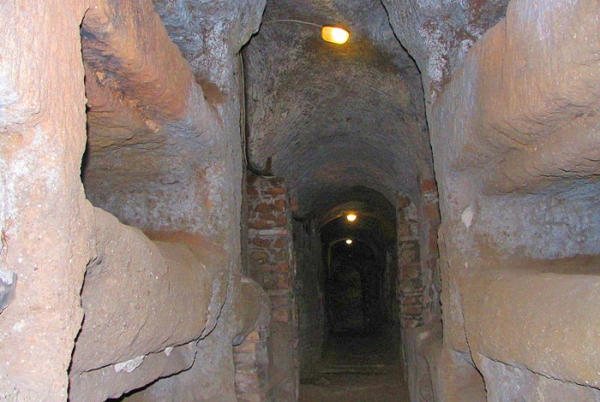
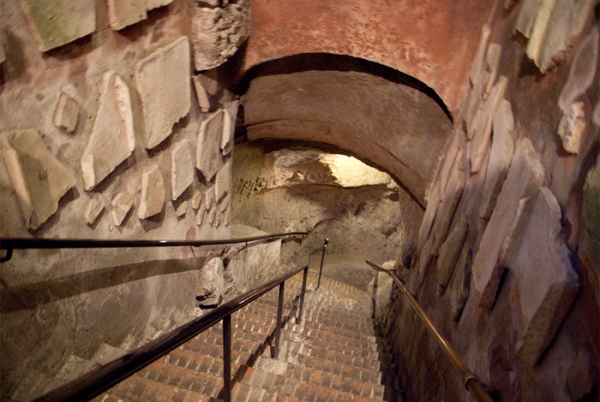
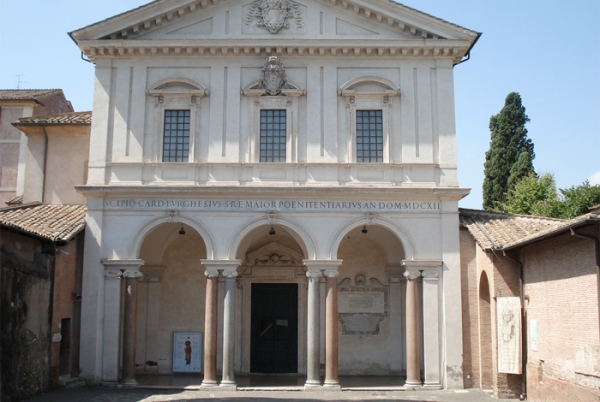
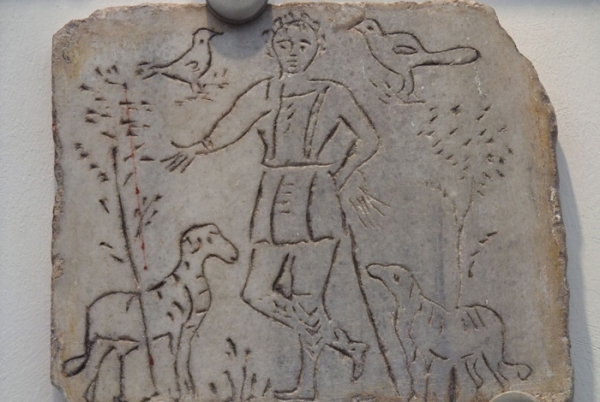
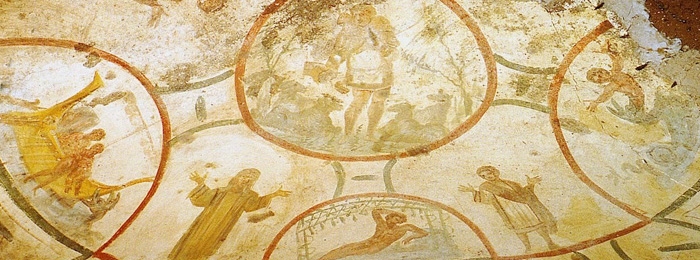
A visit to the Catacombs on the Appian Way allows us to trace the origins of the Christian presence in Rome and to explore one of the fundamental aspects of its identity. The Catacombs are in fact the underground cemeteries of the early Christians, located outside the city walls in accordance with the ancient custom that forbade the burying of the dead in the inhabited area. They consist of a series of levels with passageways dug out of the tufa, a soft volcanic rock that hardens when it comes into contact with oxygen contained in the air. The dead used to be wrapped in a shroud and placed in loculi and crypts carved out of the walls of the passageways themselves, and sealed with marble slabs or terracotta slabs, according to financial possibilities. It is interesting to notice how the layering of the levels, determined by the need to exploit the expensive land as much as possible, must be interpreted in the opposite way we do at a proper archaeological site. The most ancient level is in fact the first to be accessed, immediately below the ground level, and others were excavated beneath it as they gradually became filled up.
A persistent tradition identified the Catacombs as the hiding places of the early Christians at the times of the persecutions, but they were actually used exclusively as cemeteries and for devotional practices connected to the presence of the tombs of the saints and martyrs. The frescoes and inscriptions on the funerary slabs indicate how death was conceived as a moment of rest before the final awakening to eternal life, and the catacombs were thus places of transition, in contrast to pagan necropolis, considered to be the permanent abode of the dead. If you wish to see more in the area, the pedestrian section of the ancient Appian Way is easy to reach on foot from the major catacombs in the area.
Related Tours

Appian Way and Roman Catacombs Private Tour
Code: PSE3-R
Departure From: Civitavecchia Port
Duration: 9-10 hours
Localities
Pompeii - Things to see
Being an important commercial centre in Campania felix, played a strategic ... Continue
Herculaneum - Things to see
At Herculaneum, unlike Pompeii, where the eruption destroyed roofs and atti... Continue
Mount Vesuvius Area - Things to see
Whoever says Vesuvius, says Campania. Neapolitans call the most famous moun... Continue
Naples - Things to see
In the shadow the Vesuvius tourism’s roots run deep: on the imprints ... Continue
The Appian Way, Rome - Things to see
A walk along the original slab stones of the ancient Appian Way is an ideal... Continue
Cerveteri - Things to see
Cerveteri or Kaisra to the Etruscans dates back to the 11th century as prov... Continue
Tarquinia - Things to see
These necropolises extend for 750 metres and contain about two hundred buri... Continue
Castel Gandolfo - Things to see
Latin: Castrum Gandulphi, colloquially Castello in the Castelli Romani dial... Continue
Florence - Things to see
It is the birthplace of the Renaissance. The home of the Medici family, Mic... Continue
Pisa - Things to see
A quiet city, Pisa is a renowned cultural destination of architectural inte... Continue
Charlynn Locke - 22/10/2008
I have always used a travel agent to book transfers and tours so booking over the internet was a bit concerning. For ...
Continue »

rome.italylimousine.com - naples.italylimousine.com - pompeii.italylimousine.com - sorrento.italylimousine.com - positano.italylimousine.com - amalficoast.italylimousine.com
Phone: +39 081 808 04 57 - Fax: +39 081 808 04 57 [24hrs online]
Office cells +39 338 968 1866 [24hrs line] +39 392 9900 198 Service Coordinators - E-mail: reservations@italylimousine.com
